
Feedback
AI Ad Video Example
Loading...
MiniMax H3 to Video
Generate 2K footage complete with synced audio from a single text prompt. MiniMax H3 to Video handles visuals, dialogue, and sound effects together.
All Tools
Discover our comprehensive AI-powered animation toolkit
MiniMax H3
MiniMax H3 AI Video Generator
Seedance 2.5
The Future of AI Video Is Here.
Seedance 2.0
The Future of AI Video Is Here.
Kling 3.0
Next-Gen AI Video Generator
Grok Video Generator
Create Videos from Text or Images with AI
MiniMax H3 video generator
MiniMax H3 AI Video Generator
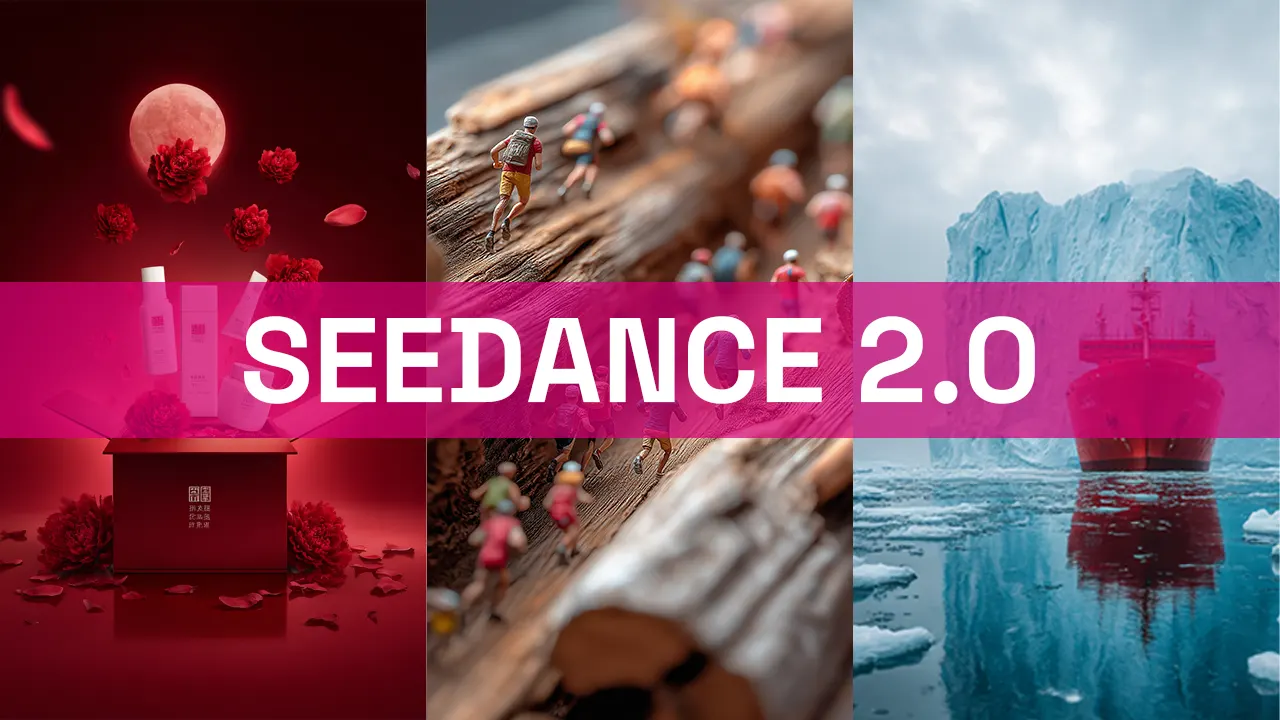
Seedance 2.0
The Future of AI Video Is Here.

Nano Banana2
Best Image Generator
Key Benefits of Using MiniMax H3 to Video
Built on MiniMax's H3 architecture — also known as Hailuo 3.0 — MiniMax H3 to Video converts your narrative into a 2K clip that arrives with its own soundtrack. Since audio is synthesized alongside each frame, specifying sound effects and when cues fire determines the outcome. Lines are delivered on screen as scenes unfold, uploaded assets maintain visual coherence, and sequenced shots execute precisely in script order.
- Script to Motion in One PassCraft your scenario in text and receive animated footage that already carries its soundtrack — MiniMax H3 to Video merges picture and audio generation into one seamless process.
- On-Screen Voice PerformanceCharacters speak within the rendered shot while MiniMax H3 to Video manages timing — dialogue aligns organically with the visual action, removing the need for a separate dubbing step.
- Source-Based Visual ConsistencyProvide up to 9 images, 3 video clips, and 3 audio files in one submission with MiniMax H3 to Video — each designated for roles such as facial features, environments, movement patterns, or voice profiles.
Step-by-Step Guide to MiniMax H3 to Video
Create a finished video in just three easy actions using MiniMax H3 to Video within Morphic's limitless canvas workspace.
Core Features of MiniMax H3 to Video
Prompt-driven video creation with embedded audio, characters who speak within the frame, visual consistency through uploaded references, and structured multi-scene storytelling — MiniMax H3 to Video delivers polished 2K output with sound already included.
Audio-Built-In Video Generation
Craft a written scenario and receive footage that comes with its own audio layer — specifying sound types and cue placements shapes what MiniMax H3 to Video generates.
Lip-Synced Dialogue Delivery
Characters utter their lines directly within each rendered frame — MiniMax H3 to Video synchronizes performance with visuals so words and timing arrive as a unified whole.
Multi-Reference Input Support
Submit up to 9 images, 3 video files, and 3 audio tracks in a single request with MiniMax H3 to Video, each assigned a function — likeness, backdrop, choreography, and voice all derive from your specified inputs.
Sequential Scene Composition
Organize your clip into defined segments and MiniMax H3 to Video delivers several connected shots within one generation — intros, app demos, and launches play back following your script order.
Quick Model Comparison
Render takes within minutes and place MiniMax H3 to Video results alongside competing models on the Morphic Canvas to evaluate before finalizing.
2K Resolution Delivery
MiniMax H3 to Video outputs crisp 2K footage that arrives with its audio track already mixed — ideal for teasers, tutorial reels, and commercial showcases.
Common Questions About MiniMax H3 to Video
Find quick answers to the most frequently asked questions about creating video from text with MiniMax H3 to Video.
What is MiniMax H3 to Video?
MiniMax H3 to Video operates on the H3 framework (also marketed as Hailuo 3.0), functioning as an AI-powered text-to-video platform. It outputs 2K video that already contains its audio track, blending visual and sound synthesis into one creation cycle driven by your written input.
Is the audio actually synthesized?
Absolutely — MiniMax H3 to Video creates its audio layer during the same cycle that produces the visuals. Your decisions about sound effects and cue timing directly influence the result, while character speech integrates into the footage without needing a separate voiceover session.
What tips help me achieve a strong first result?
Outline your scene with characters, their movements, camera angles, lighting setup, and desired audio — incorporating timing markers across each segment lets MiniMax H3 to Video align everything correctly on the initial render.
Am I able to supply reference media?
Yes — a single submission to MiniMax H3 to Video can include as many as 9 still images, 3 video segments, and 3 audio recordings, each tagged for a particular use: facial features, environmental backdrop, movement patterns, and voice characteristics all reference your specified inputs.
Will it handle sequences containing multiple shots?
Indeed — break your clip into defined segments and MiniMax H3 to Video returns multiple connected scenes within one generation, ensuring opening titles, interface demos, and product showcases execute in your scripted order.
How can I benchmark it against alternative AI models?
Inside the Morphic workspace, generate takes within minutes, swap between engines, and compare MiniMax H3 to Video results next to Kling 3.0, Veo 3.1, Seedance 2.5, and Vidu Q3 in a side-by-side view before locking in your selection.
Ready to Experience MiniMax H3 to Video?
Convert your script into 2K video that already includes its audio — MiniMax H3 to Video delivers spoken dialogue, embedded sound effects, and visual consistency on an unlimited creative workspace.